
The worst phone call I can get in January starts with "So, I stopped by the house this morning." It usually ends with a ceiling on the kitchen floor. A vacant house in the Black Hills does not get a pass on winter, and it does not text anybody when the furnace quits at 2 a.m. on a night that hits ten below.
The good news! Almost every one of those calls is preventable. Most of the work happens in a single afternoon, and the rest is a habit of checking in. This is how I handle a vacant house over the winter, whether it is a listing, an estate, a house left behind after the owners already moved, or a cabin the family only uses in summer.
Why vacant houses get hit so hard here
The numbers explain most of it. The National Weather Service office in Rapid City lists Rapid City's average January high at 34 degrees and the average low at 11, with about eight January nights that drop below zero. Up in the hills it runs colder, and the wind on the east side of town finds every gap in a rim joist (ask anyone in Box Elder).
An occupied house has a built-in alarm system: a person. Somebody notices the furnace cycling too often, hears the drip, feels the cold bathroom. A vacant house has none of that. A pipe can freeze on Tuesday, split, thaw on Thursday when the chinook rolls through, and run for two days before anyone walks in. That thaw is the sneaky part. Pipes usually burst after the cold snap, not during it.
The insurance part (read this before anything else)
Most standard homeowners policies have two pieces that matter for an empty house. Wording varies by carrier and policy, so the people who should confirm this are the owner's insurance agent and the policy itself. I am not an insurance agent or an attorney, and this is general information, not legal or insurance advice.
First, the freezing exclusion. The common homeowners policy forms do not cover water damage from frozen plumbing unless the owner used reasonable care to either keep heat in the building, or shut off the water supply and drain the system and appliances. That is it. Heat on, or water off and drained. Pick one, and be able to prove it.
Second, the vacancy clause. Many policies limit or drop coverage for things like vandalism and glass breakage once a house has been vacant for a set stretch, commonly 30 or 60 consecutive days depending on the carrier and form. Some carriers want to be told when a house goes vacant. Some want a vacancy endorsement or a separate vacant dwelling policy.
"Reasonable care" is where claims get argued. An insurance trade publication, PropertyCasualty360, walked through a claim where the owner was away, the heating oil tank ran dry, the furnace shut off, and the pipes burst. Their take: the owner did not use reasonable care to keep the heat on. Out here the same story plays out with propane. If a vacant acreage runs on a propane tank, I want it on automatic delivery and I want somebody looking at the gauge.
So the first call on any vacant house is to the insurance agent. Tell them the house is empty, ask what the policy requires, and get the answer in writing. Five minutes on the phone beats a denied claim!
Option one: keep the heat on
For a listing that will show all winter, this is almost always the right call. Buyers walk into a warm house with water at the faucets, the furnace runs during the inspection, and the appraiser can see every system working. A cold, shut-down house shows like a cold, shut-down house.
The setup I use:
- Thermostat at 55 or higher. That is the American Red Cross minimum for a house left empty in cold weather. For older homes, finished basements on exterior walls, or a forecast heading below zero, I like a few degrees more. The thermostat only reads the hallway. The pipe in the outside wall behind the kitchen sink is colder than that.
- A smart thermostat with alerts. If the furnace quits, a text beats a Saturday surprise. Fresh batteries in any battery thermostat, too.
- Furnace service before the season. New filter, a tech's eyes on the igniter and flame sensor. A furnace that has been fine for twelve years picks the first empty winter to retire.
- Cabinet doors open under sinks on exterior walls, so warm air can reach the supply lines. Also a Red Cross tip.
- Garage door closed if any plumbing runs through the garage or the wall it shares with the house.
- Water leak sensors under the water heater, the washer, and the kitchen sink. They cost less than a nice dinner in downtown Rapid City and they text the moment the floor gets wet.
- The main water shutoff marked and easy to reach, so whoever checks the house can kill the water in ten seconds instead of ten minutes.
One more thing on gas. If the heat is staying on, the gas stays on. People sometimes shut everything off "to be safe" and accidentally shut off the one thing keeping the pipes alive.
Option two: shut it down and winterize the plumbing
For a house that will sit empty for months with no showings, like a summer cabin above Hill City or an estate waiting on probate, a full plumbing winterization can make more sense. This is a job for a plumber, not a YouTube video and a shop vac. A proper winterization usually means:
- Shutting off the water at the main (or the curb stop, for city water) and at the well pump on acreage.
- Draining the supply lines from the lowest point and blowing them out with compressed air.
- Draining the water heater and turning it off at the breaker or the gas valve.
- Putting RV antifreeze (the pink, nontoxic kind) in every sink trap, tub trap, floor drain, and toilet so the traps do not freeze and crack.
- Draining the washing machine lines, dishwasher, ice maker, and any water softener or filter housings.
- Taping a sign on the main valve and the water heater: WINTERIZED, DO NOT TURN ON WATER.
Two catches. Some winterized houses still keep a little heat on to protect drywall, paint, and finishes from the freeze and thaw cycle, so talk to the plumber and the insurance agent about whether to leave the furnace at a low setting anyway. And a winterized house has to be de-winterized before a buyer's inspection. Inspectors and appraisers want to see water running and systems working. De-winterizing takes a plumber, a pressure test, and time to check for any line that split anyway. I build that into the timeline so nobody is scrambling during inspection week.
On city water, Rapid City, Sturgis and the other towns handle water service at the meter through their utility billing offices. Call the specific utility before assuming the water can be turned off at the curb or the account suspended.
Acreage houses have extra homework
Rural properties add a few systems that a subdivision lot never thinks about.
Wells. The pump, pressure tank, and any well pit or pitless adapter need protection. If the house stays heated and the pressure tank lives inside, it is usually fine. A well house or pump house outside needs its own heat source or its own drain down. Heat tape on exposed lines should be checked to make sure it is plugged in and working (it is shocking how often it is unplugged).
Septic. A system that gets almost no use over the winter can freeze, because the warm water that normally keeps it working stops coming. Snow cover is good insulation, so nobody should plow, park, or drive across the drain field. If the house is fully winterized, a septic pro can say whether anything else needs attention before the ground freezes.
Propane. Automatic delivery, a full tank going into December, and somebody who knows where the gauge is. A buried tank under three feet of drifted snow is not a fun scavenger hunt.
The driveway. A long gravel road that drifts shut means nobody gets in to check the house, show the house, or fix the house. Line up a plow contract now, before the first real storm, when every operator in Meade County is suddenly booked.
Snow, sidewalks and the city
People forget this one. The snow does not stop being the owner's problem when the owner leaves.
In Rapid City, Ordinance 12.12.090 makes it the owner's duty to keep the sidewalks in front of or alongside the property free from snow and ice. The city says snow should be cleared within 24 hours after a storm ends, and if it is not, the city can clear it and assess the cost to the property. Sturgis, where I grew up, gives owners 15 hours after the snow stops, and its own code enforcement office has said absentee owners have to arrange removal. Every town and county sets its own rules and they can change, so confirm with the specific city or county office for the property.
Past the fines, there is liability. A slip on an uncleared walk in front of a vacant house is a claim nobody wants. For every vacant listing, I want a snow removal company on contract that clears the walks, the driveway, and a path to the front door after every storm. Buyers do not tour houses they cannot walk up to. A cleared walk and a lit porch at 5 p.m. in December looks like somebody cares about the place, because somebody does.
Roofs, gutters and the outside of the house
A few more things to handle before the ground freezes:
- Disconnect every garden hose. A frost-free hose bib only works with the hose off. Leave one on and the water trapped in the hose freezes right back into the valve.
- Blow out the sprinkler system if it was not done in the fall.
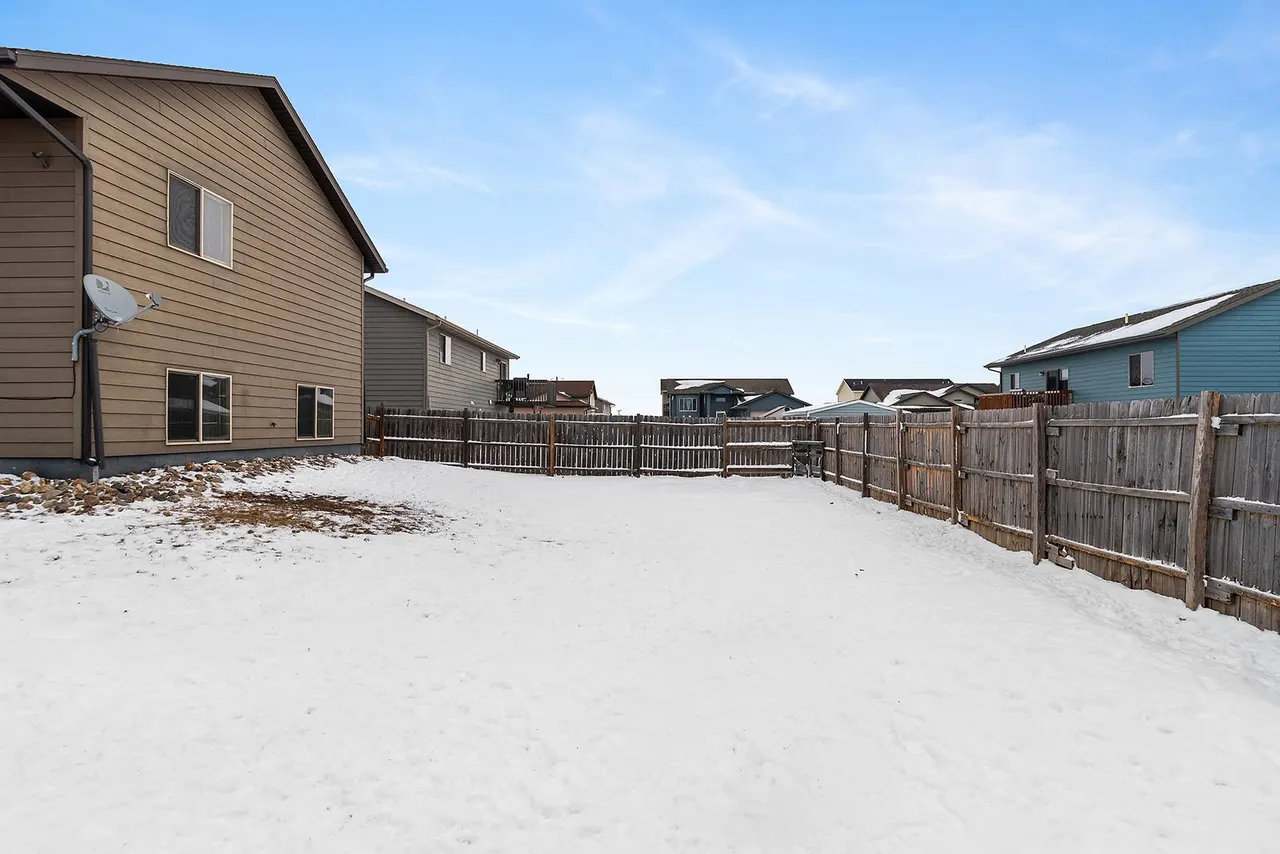
- Clean the gutters and downspouts so snowmelt has somewhere to go. Clogged gutters on a south-facing roof are how ice dams start on our sunny-day, frozen-night cycle.
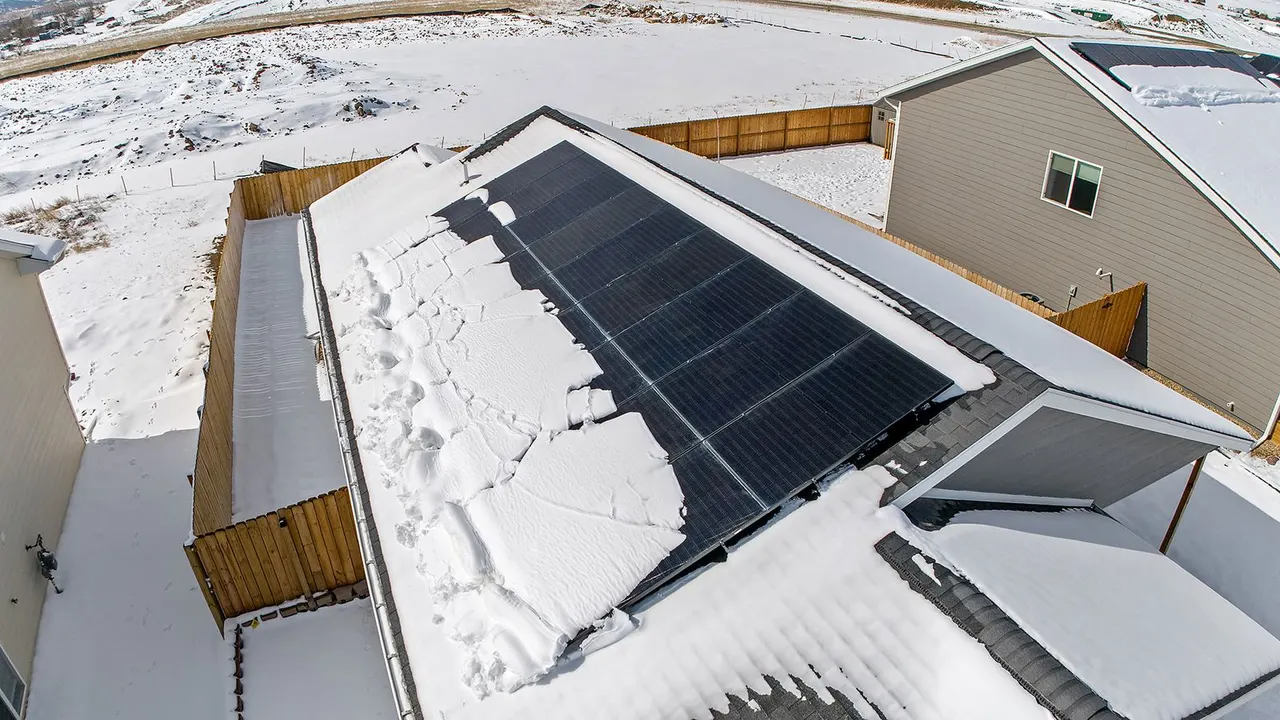
- Watch the roof after big storms. Heavy, wet spring snow is the one to respect. A vacant house will not report a sagging deck roof or a gutter torn off by ice.
- Exterior lights on timers or dusk sensors. A dark house in December announces it is empty.
Check-ins: the part that saves houses
All the setup in the world does not replace somebody walking through the door. For any vacant house, I want somebody checking at least weekly, and after any night that drops below zero or any power outage. A check is quick:
- Thermostat reading and the furnace running.
- Hand on the faucets in the kitchen and baths. Water at normal pressure.
- Eyes on every ceiling, especially under bathrooms.
- Basement, water heater, furnace room, and any crawlspace hatch.
- Doors locked, windows latched, no new tracks around the house.
- A few photos with the date showing.
Those dated photos matter. If a claim ever does happen, a log of weekly visits and a thermostat reading at 58 degrees is the best evidence of "reasonable care" there is. A running log works best, and out-of-town sellers sleep better with a photo of a warm thermostat landing on their phone every Friday.
What winter does to a vacant listing's first impression
Now the photographer in me. The goal of prep, staging, and photography is to provoke a feeling. An empty house in January has a head start on the wrong feeling: cold, echoey, a little sad. So I fight back on purpose.
Heat set warm enough for showings, not just warm enough for the pipes. Every light on before a showing, including the closet lights (somebody always opens the closets). A doormat, a broom by the door, and a cleared walk so nobody tracks slush across the floors. Staging helps in a lot of cases, and a vacant winter listing is one of them. A couple of rooms with furniture and lamps change how the house reads. I also recommend a pre-list inspection on vacant houses, because finding the frozen hose bib or the furnace that short-cycles before the listing goes live beats finding it in the middle of a deal. Repairs get handled before the house hits the market.
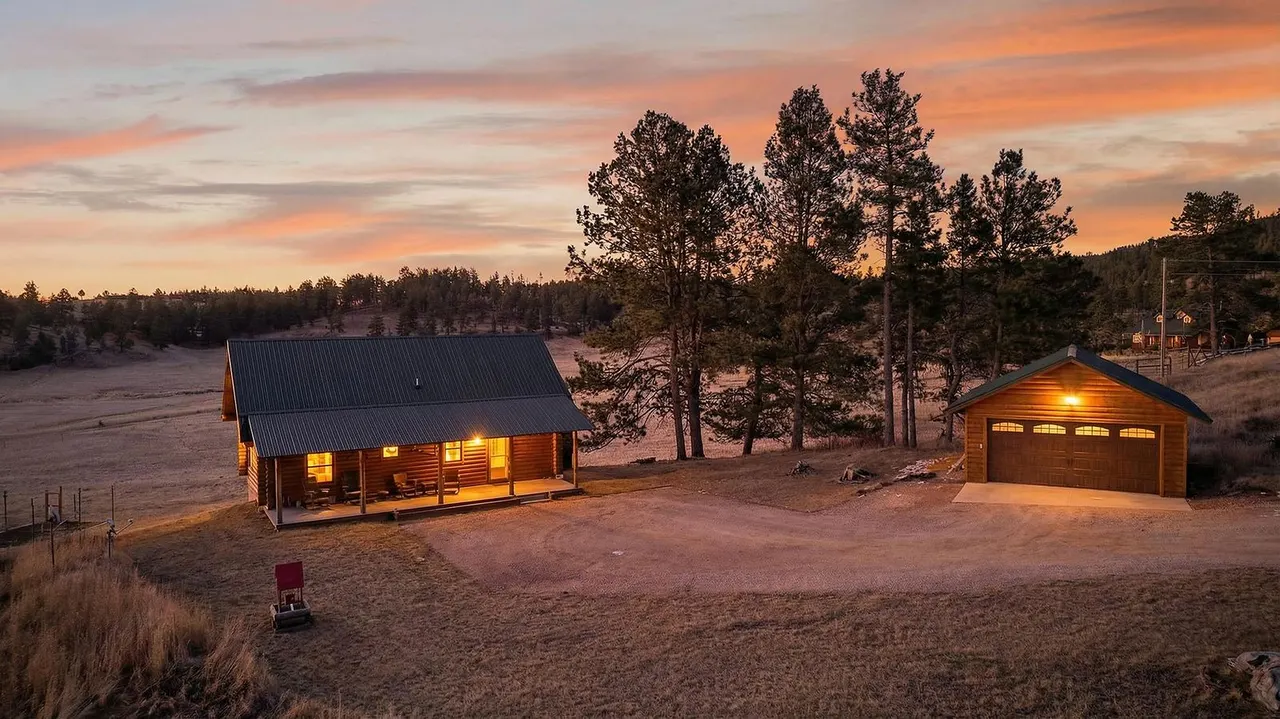
Winter listings photograph better than people think, too. Twilight comes early, so I can shoot exteriors with every window glowing by 4:45. Snow on the pines behind a lit house? Cover photo! Every time. The cover of this article is a twilight shot from one of my listings, and that glow in the windows is the whole point.
For more on timing, I wrote about the best time of year to list in the Black Hills, and buyers who shop in the cold season might like why winter house hunting works. For the insurance side of owning out here, there is homeowners insurance and wildfire risk in the Black Hills, and for acreage systems, wells and water systems and septic systems 101.
A quick winterizing checklist
- Call the insurance agent. Ask about vacancy, freezing, and any endorsement needed.
- Decide: heat on at 55 or higher, or full plumbing winterization by a plumber.
- Service the furnace, swap the filter, set up a smart thermostat with alerts.
- Leak sensors at the water heater, washer, and sinks.
- Hoses off, sprinklers blown out, gutters cleaned.
- Propane on automatic delivery; well and septic checked on acreage.
- Snow removal on contract for walks and drive.
- Exterior lights on timers.
- Weekly check-ins with dated photos, plus a check after every subzero night.
- If winterized, schedule de-winterizing before any inspection.
Owners heading out of town for the winter, settling an estate, or getting ready to list an empty house can call me at 605-490-2040. I will help put the plan together and connect them with the plumber, the furnace tech and the snow crew. For a starting number on a sale, the home value tool is a good first step, and there is more in the guides.
Last updated November 24, 2026
The Black Hills Seller's Guide
Written by the agent who used to be the photographer. Pricing, prep, photography, marketing, paperwork and the closing table, in order.
Get The GuideQuestions? Call or message me.
The fastest way to reach me is the phone. Call or text 605-490-2040 and the call reaches me or gets a call back, usually the same day. If writing is easier, send a note about the move or the property in question.
Related reading
National research points to one specific week each spring. Our winters, Ellsworth AFB's PCS calendar, and our own Rally season pull that timing around here. Here is how I plan a launch date in the Black Hills.
South Dakota has no state FAIR plan, so wildfire-exposed properties in the Black Hills are insured through the private market. Here's what underwriters look at, and how to reduce your risk before it becomes a closing-week problem.
Most buyers wait for spring. Here is why winter house hunting in the Black Hills often means less competition, more motivated sellers, and a truer look at how a house performs in the conditions it will face.
How South Dakota permits and regulates private wells, the water testing I recommend before closing, what FHA and VA loans require, and how to pull a well's history before you rely on it.
Outside city sewer lines, a septic system is just infrastructure, not a red flag. Here's how permitting, mound systems, inspections, and costs work for first-time rural buyers in the Black Hills.
The region's hub for jobs, medicine, dining and flights, within an easy commute of Ellsworth Air Force Base.
A full-service small town at the north end of the hills, ordinary 50 weeks a year and the center of the world for the other two.
A real Main Street in the middle of the forest, with the Mickelson Trail through town and Rapid City about half an hour away.
My free seller's guide, covering pricing against real closings, preparation and the launch plan.
How I price a home here, and where online estimates fall short.