
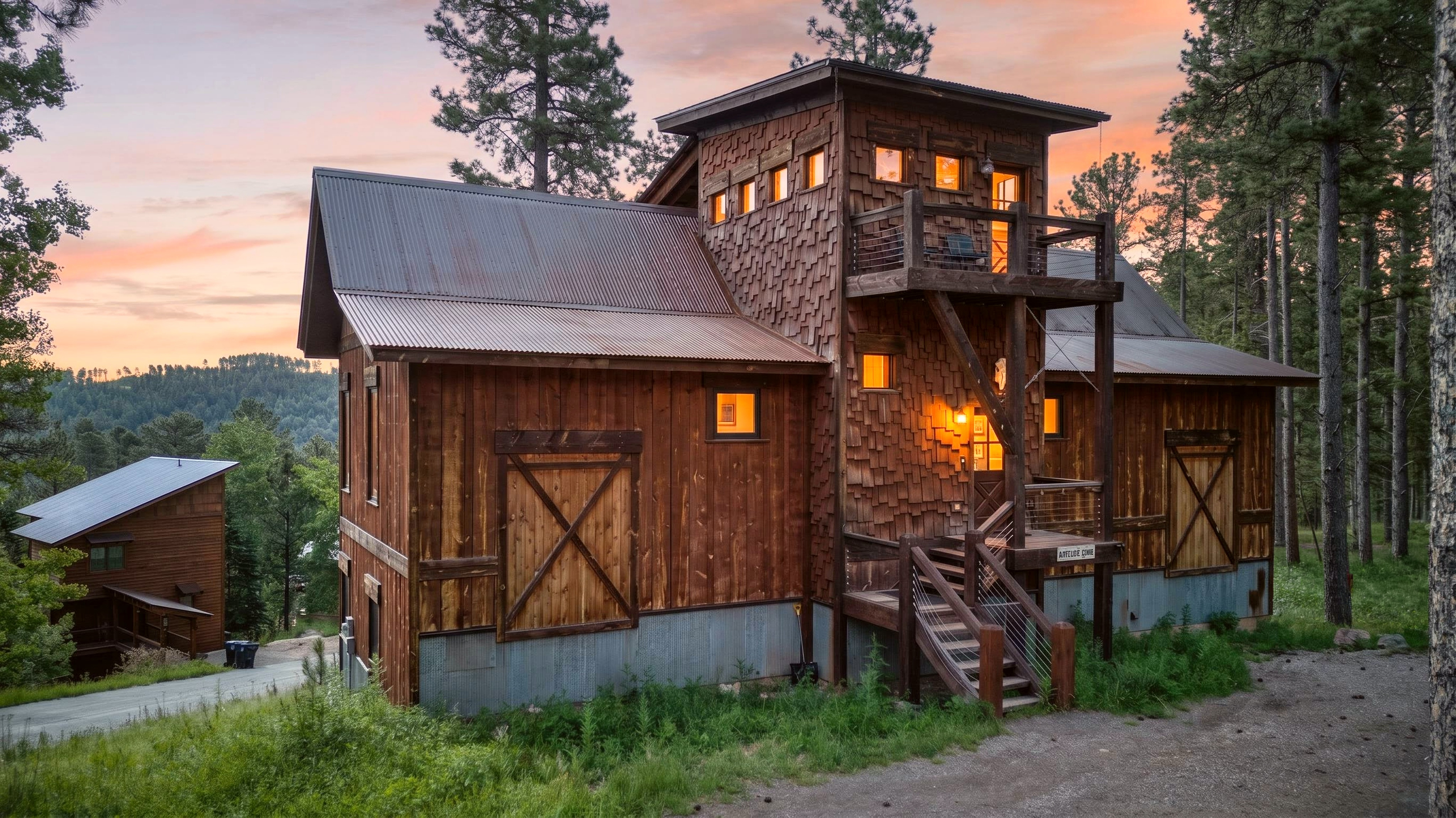
Winter House Hunting in the Black Hills: Why the Off-Season Works in Your Favor
October 13, 2026 · Henry Roy
Most buyers wait for spring. The grass greens up, the listings bloom right along with it, and everyone assumes that is simply when house hunting is supposed to happen. I understand the instinct. Nobody pictures themselves touring a house in a parka. But some of the better deals and the clearest-eyed decisions I have watched clients make in the Black Hills happened in December, January, and February, when the rest of the market quieted down and the people still out there looking, and the people still out there selling, were serious about it.
Winter house hunting here is not a consolation prize. It comes with real, practical advantages, a few honest tradeoffs, and some region-specific things worth knowing before you bundle up and start touring. Here is how I think about it, and how I walk my own clients through it.
Fewer buyers, fewer bidding wars
Housing activity in most of the country, this region included, tracks the weather. Spring and summer bring out more listings and more buyers, which means more competition for the homes that do hit the market. Freddie Mac's own consumer guidance on seasonal buying and selling puts it plainly: winter has fewer listings and fewer buyers, which gives house hunters room to make a decision without a bidding war breathing down their neck, and gives sellers less rivalry for buyer attention.
That trade works in a buyer's favor more often than not. A showing in January rarely turns into five competing offers by the weekend. You get more time to think, more room to ask for an inspection contingency without feeling like you are handing the house to the next buyer in line, and more leverage to negotiate price, closing costs, or a closing date that actually works for you.
Sellers in winter tend to mean it
Nobody lists a home in a Black Hills January by accident. A seller who puts a house on the market during the holidays or deep into winter usually has a real reason: a job relocation, a PCS, a change in family circumstances, or simply a decision that could not wait for the calendar to turn. Freddie Mac's guidance notes the same pattern nationally: winter sellers tend to want things to move, and that often shows up as a willingness to negotiate on price, on who pays what at closing, or on including things like appliances or furniture that a spring seller might hold firm on.
I see this locally with military families especially. A PCS to or from Ellsworth Air Force Base does not wait for nicer weather, and neither does the Black Hills housing market that serves it. If you are working a winter PCS timeline, my Ellsworth AFB PCS timeline, month by month walks through how the move actually lines up with house hunting here, and my PCS to Ellsworth AFB buying guide covers the broader process. Winter is often when that timeline forces the issue, for buyers and sellers alike, and it tends to produce more flexible, more motivated people on both sides of the table.
You get to see the house on a bad day, which is useful
A home tour on a bright June afternoon is forgiving. Everything looks fine in good light and sixty-eight degrees. Winter does not offer that kindness, and that is actually a point in its favor if you are trying to figure out what you are buying.
Walking a property when it is cold and the ground is frozen or snow-covered tells you things a July showing cannot. How does the driveway handle ice, and does it hold a grade that is going to be a problem every time it snows? Is the walkway shoveled and clear, or does this homeowner let it go? Does the furnace keep the place genuinely warm, or are you standing there in your coat indoors? Are there ice dams forming at the roofline, which can point to attic insulation or ventilation issues worth asking about? None of that is visible in May.
If you end up as the homeowner, that driveway and that sidewalk become your responsibility too. Inside Rapid City, for example, city ordinance requires property owners to keep sidewalks along their property clear of snow and ice, with the city able to step in and clear it themselves, and bill the owner, if it is not handled within about a day of a snowfall. That is a small thing, but it is the kind of small thing that is easy to miss when you are picturing yourself in a house in springtime and much harder to miss when you are standing on that same sidewalk in January wondering who shovels it.
Winter is also an honest test of an out-of-town buyer's tolerance for the thing they are actually signing up for. If you are relocating from somewhere that does not get real winter, touring Black Hills homes in the season you will actually be living through it tells you more about whether you are ready for it than any conversation about average snowfall ever will.
The people helping you close are not as slammed
Lenders, inspectors, appraisers, and title companies all see the same seasonal swing in volume that listings do. Fewer transactions moving through the pipeline in winter tends to mean more availability and, often, a faster path to the closing table, since nobody is squeezed by the same spring crunch where every inspector in town is booked out two weeks and every loan processor is buried. South Dakota closings run through a title company rather than an attorney, and I have written a full explainer on how closings actually work here if you want the mechanics. The short version for winter timing: the same process tends to move a little more smoothly when the whole industry is not at its busiest.
What is genuinely harder in winter, and I will not pretend otherwise
I want to be straight with you about the tradeoffs, because a one-sided pitch is not useful to anyone making a real decision.
Curb appeal takes a hit. Landscaping is dormant, flower beds are bare dirt or snow, and a house that would photograph beautifully in June can look flat and uninviting in a January listing photo. I shoot and prep listings around the season and the light for exactly this reason, because a home shown in flat winter light tells a different story than the same home in good spring light, but even with the best photography and staging, winter curb appeal has real limits that have nothing to do with the house itself.
Inventory is also genuinely thinner. Fewer sellers means fewer choices, and if you have a narrow set of must-haves, a slow winter market might simply not have the right house sitting on it right now. Some sellers pull a listing around the holidays rather than let it sit, which shrinks the pool further for a few weeks.
Moving itself is harder. Movers, moving trucks, and your own patience all work less well in snow and sub-freezing temperatures, and a closing date that lands during a genuine blizzard can complicate a move-in day in ways a June closing never has to think about.
And exterior inspection has real limits in snow cover. A roof buried under snow, a foundation grade hidden by drifts, or a septic system with its access points under two feet of snow all make a winter inspection harder than a dry-ground inspection in the fall. I review every inspection with my clients regardless of season, and in winter I make sure we talk through what the inspector genuinely could and could not evaluate given the conditions that day, rather than assuming a winter inspection covered the same ground a fall one would.
Black Hills specific things worth asking about in winter
A few things come up here more than in a typical market write-up, because of how much of this region sits on acreage, wells, and septic rather than city utilities.
If a property is on a private well, ask how the wellhead and any exposed plumbing are protected from freezing, and whether the previous owner has had any freeze-related issues. My wells and water systems guide goes deep on what to check on a well-served property, winter or otherwise.
If the property has a septic system, understand where the tank and drain field access points are before the ground freezes solid, because locating and inspecting them gets considerably harder once everything is under snow and frost. My septic systems guide covers what a first-time rural buyer should know about maintenance, pumping schedules, and what a real inspection looks for.
On acreage or in the pines around Hill City, Custer, or Piedmont, ask how the driveway is maintained in winter: is it plowed by the owner, a neighbor arrangement, an HOA, or is it simply whoever gets there first with a blade on their truck. A long gravel driveway that looks charming in July can be the single biggest winter headache of owning a rural property if nobody has a clear plan for keeping it passable.
And if you are comparing a winter purchase to simply waiting for spring and listing your own home then, my best time to list your Black Hills home piece covers the seller side of this same seasonal pattern, which is worth reading if you are doing both at once.
How I'd think about it if I were you
If you have the flexibility to shop in winter, I would take it seriously rather than treating it as a lesser option until spring arrives. You are likely to face less competition, meet sellers who are genuinely motivated, get a truer read on how a house performs in the conditions it will actually face most of the year here, and move through a closing process that is not fighting a spring traffic jam. You will also be choosing from a smaller pool, touring houses that do not photograph at their best, and asking your inspector to do their job under tougher conditions, so go in with open eyes about all of it.
Run the numbers on what a winter purchase actually looks like for you with my mortgage calculator, which handles price, down payment, rate, taxes, insurance, and HOA dues in one place so you are not guessing at a monthly payment. And if you are at the start of the process, my free buyer's guide rounds up the due diligence items, including the well, septic, and winter-specific questions above, that I walk every buyer through before we write an offer.
Mortgage rates move week to week and vary by lender and borrower, so talk to your lender about current pricing rather than relying on a number from an article. This is general information, not financial, lending, or legal advice, and every property and situation is different enough that I would rather walk your specific one with you than have you rely on a generic rule of thumb.
Last updated October 13, 2026
The Black Hills Buyer's Guide
How buying here works, from wells and septic on acreage to hail history, PCS timelines and what a fair offer looks like in this market.
Get The GuideQuestions? Call or message me.
The fastest way to reach me is the phone. Call or text 605-490-2040 and you will get me or a call back, usually the same day. If writing is easier, send a note and tell me what you are working on.
Related reading
Where incoming airmen search, how the VA loan works in this market, and the timeline that makes a PCS move into the Black Hills go smoothly.
From the day your orders land to the day you get keys, here is what a PCS move to Ellsworth AFB actually looks like, broken into the stretches of time that matter.
How South Dakota permits and regulates private wells, the water testing I recommend before closing, what FHA and VA loans require, and how to pull a well's history before you rely on it.
Outside city sewer lines, a septic system is just infrastructure, not a red flag. Here's how permitting, mound systems, inspections, and costs work for first-time rural buyers in the Black Hills.
National research points to one specific week each spring. Our winters, Ellsworth AFB's PCS calendar, and our own Rally season pull that timing around here. Here is how I actually plan a launch date in the Black Hills.
The region's hub for jobs, medicine, dining and flights, within an easy commute of Ellsworth Air Force Base.
A small foothills city on I-90 where much of my current listing inventory sits, about 26 minutes north of downtown Rapid City.
A real Main Street in the middle of the forest, with the Mickelson Trail through town and Rapid City about half an hour away.
Acreage inside the Hills at the door of Custer State Park, with a new hospital, sit down restaurants downtown, and rental rules that change at the city line.
My free buyer's guide, written for wells, septic, hail history and PCS timelines in this region.
Price, down payment, rate, taxes, insurance and HOA in one number.