
Buying Land and Building in the Black Hills: What the Process Actually Looks Like
September 29, 2026 · Henry Roy
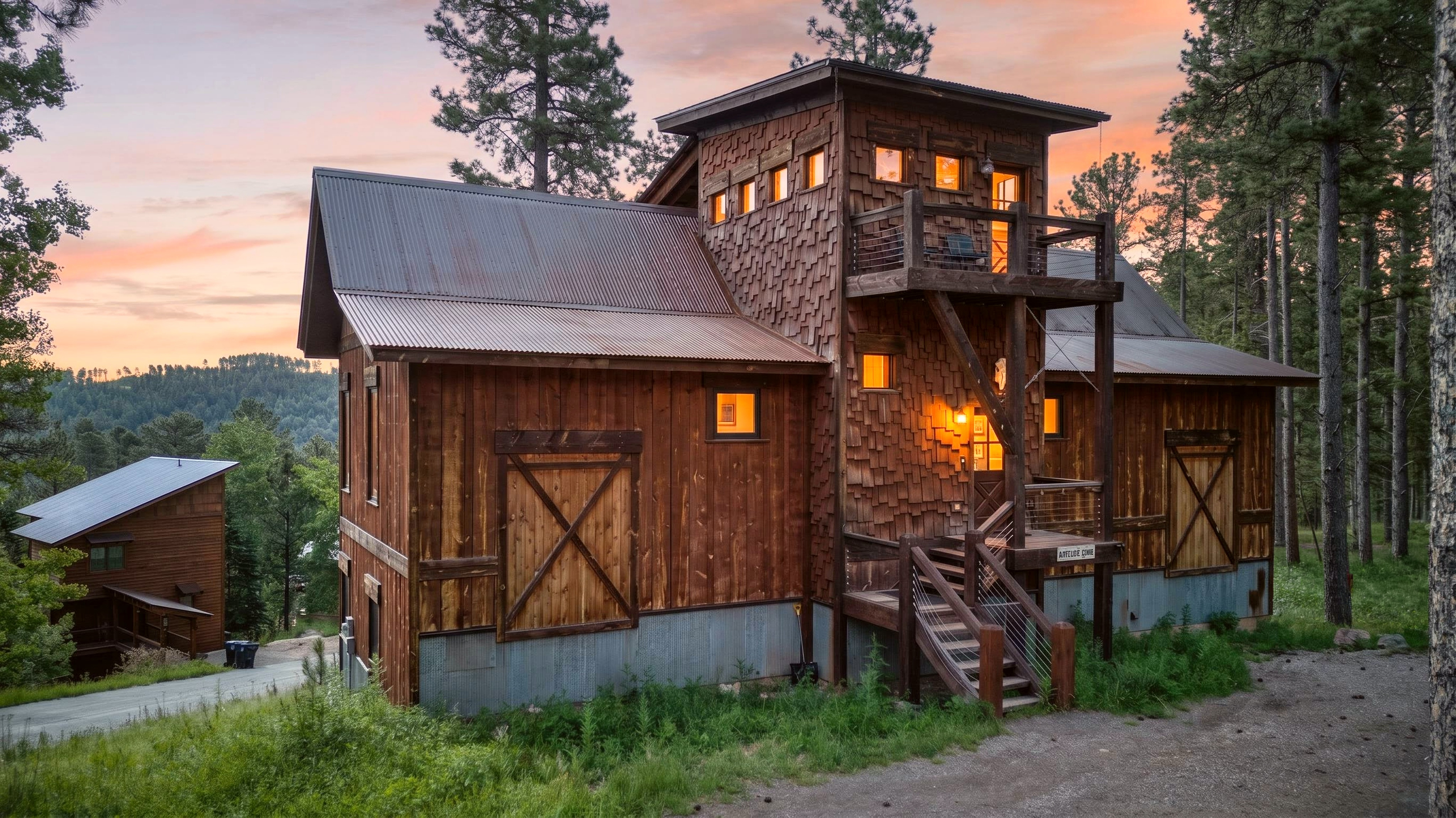
Every year I work with a handful of buyers who look at the resale market, shrug, and say some version of "what if we just built one." I get it. There is a lot of land in the Black Hills, from acreage outside Piedmont to timbered lots near Hill City and Custer, and building lets you get exactly the layout, the garage, and the view you actually want instead of the closest match a resale search turns up.
It is also a genuinely different process than buying a finished home, with its own timeline, its own financing, and its own homework. Here is how it actually goes, in the order it actually happens.
Step one: buy the right lot
Before you can build anything, you need land that will actually support what you want to put on it. I cover the due diligence on raw land in depth in my guide to buying acreage in the Black Hills, and it is worth reading before you write an offer on a lot. The short version: confirm legal, deeded access to the parcel, understand who maintains the road in winter, get a sense for well depth and water availability in that specific area before you fall in love with the view, and budget for septic before you budget for granite countertops.
Two more things matter specifically when the plan is to build.
The first is whether the lot sits inside a platted subdivision with recorded covenants, or is unrestricted county land. A lot of Black Hills subdivisions carry architectural standards (minimum square footage, exterior materials, roof pitch, sometimes even garage requirements) that are enforced either by an active homeowners association or simply by the covenants themselves running with the land. I wrote a full explainer on how covenants and HOAs actually differ, because they are not the same thing, and a covenant-restricted lot with no active HOA can still block your building plans just as effectively as one with dues and a board. Read the covenants before you buy the lot, not after you have already drawn the floor plan.
The second is confirming the lot is actually buildable under current zoning before you count on it. Setbacks, minimum lot size for a given zoning district, and whether the parcel needs to be platted or replatted before a permit will be issued are all things your county planning office can answer, usually with a phone call, before you are under contract. It is a cheap phone call that has saved more than one buyer from an expensive surprise.
Step two: the permitting process, which varies by jurisdiction
This is the part that catches people off guard the most, because it is genuinely different depending on where the lot sits. Pennington, Meade, Custer, and Lawrence counties each run their own planning and zoning department with their own ordinances, application forms, and fee schedules, and the City of Rapid City runs a separate process entirely for lots inside city limits. There is no single Black Hills building permit.
As one example of what a county process looks like, Meade County requires a building permit for essentially any structure you plan to construct (small accessory buildings and decks under a certain size are exempted), holds three inspections during construction (foundation, rough framing, and final), and requires a certificate of occupancy before you move in. Meade County's standard setbacks are 25 feet from the front and rear property lines and 8 feet from the sides, though a variance is available through the planning commission if your site plan needs one. Pennington, Custer, and Lawrence counties each publish their own building permit applications and setback requirements, and they are not identical to Meade's or to each other's.
I am not going to pretend I can hand you a universal Black Hills checklist here, because there isn't one. What I can tell you is the shape of the conversation to have with the relevant planning office before you buy the lot or hire a builder: ask what triggers a permit, what the current setbacks are for that zoning district, what inspections are required and in what order, whether the county or city has its own well and septic permitting requirements on top of the state's (see my guides to wells and water systems and septic systems for that layer), and roughly how long plan review is currently taking. Rules and staffing change, so confirm current requirements and timelines directly with the specific county or city planning office rather than relying on anything you read here, including this article.
Step three: financing the build
You generally cannot use a standard mortgage to build a house, because there is no finished house to secure the loan against yet. Most buyers use one of two structures instead.
A construction-only loan pays for the land and the build in draws as work is completed, then gets paid off (and replaced) by a separate mortgage once the home is finished. That means two loan applications, two sets of closing costs, and a second qualification at the end of the process, with whatever rates and underwriting standards exist at that later date.
A construction-to-permanent loan combines both steps into a single loan and a single closing. It funds the land purchase and the construction draws, then automatically converts into a standard mortgage, typically a 15 or 30 year term, once the certificate of occupancy is issued. Lenders typically require a larger down payment on construction lending than on a resale purchase, and during the build your lender coordinates with an inspector to confirm work matches each draw request before releasing funds. It is more paperwork up front, but one closing instead of two, and no exposure to a second qualification down the road.
Either way, this is lender territory, not mine. I am not a lender, and how much house you qualify to build, what your rate will be, and which structure fits your situation are conversations to have with a mortgage professional early, before you get attached to a specific plan or lot. I can point you toward lenders who work construction loans regularly in this market, and running rough numbers on the mortgage calculator is a reasonable way to sanity check a target payment before that conversation.
Step four: the timeline
This is the question I get asked the most, and the honest answer is "longer than you think, and it depends a lot on what you are building and how."
According to the National Association of Home Builders' analysis of Census Bureau construction data, the average single-family home built in the US in 2025 took about 8.8 months from authorization to completion, roughly 1.4 months for permitting and about 7.4 months of actual construction. But that national average blends fast production-builder timelines with slower custom builds, and the breakdown matters: homes built for sale by production builders averaged 7.4 months, while contractor-built custom homes averaged closer to 11.7 months and owner-built homes averaged 14.3 months.
A custom build on a rural Black Hills lot tends to land on the longer end of that range. You are usually adding a well and septic system rather than tapping into existing utilities, which means additional permitting and inspection steps beyond the home itself. Winters here also matter to a build schedule in a way they do not in warmer climates. Foundation and exterior work generally needs to happen before the ground freezes or after it thaws, so a lot purchase and permit application that gets moving in late fall can end up waiting on weather before the crew can really get going. None of this is a reason not to build. It is simply a reason to plan the calendar with your builder and lender before you assume a move-in date.
What I actually do in this process
Buying land and building is a longer relationship than a typical resale purchase, and my role shifts over the course of it. Up front, I help you evaluate lots against the questions above, connect you with the county planning contacts, lenders, and builders I trust, and make sure the due diligence on water, waste, and access gets done before you are locked into a contract. Once you are under contract on the land, I stay involved through closing on the lot itself, and I am glad to keep working with you as the build moves forward, including reviewing every inspection report with you as it comes in, the same way I do on every transaction I touch, resale or new build.
What I do not do is act as your general contractor, your lender, or your attorney, and nothing in this article is legal, tax, lending, or construction advice. Zoning, permitting requirements, and fee schedules change, and they vary by county and by city, so confirm anything specific to your lot with that jurisdiction's planning office before you rely on it.
If you are thinking about building
If you have land in mind or are still hunting for the right lot anywhere from Piedmont to Hill City to Custer to the country around Sturgis and Whitewood, I would genuinely enjoy walking through it with you. Building is not the right path for every buyer, but for the right lot and the right buyer, it is how you end up with a home that actually fits instead of one that mostly fits. My buyer's guide walks through more of what I do for buyers at every stage, land purchases included, and I am always happy to talk through a specific parcel before you make an offer on it.
Last updated September 29, 2026
The Black Hills Buyer's Guide
How buying here works, from wells and septic on acreage to hail history, PCS timelines and what a fair offer looks like in this market.
Get The GuideQuestions? Call or message me.
The fastest way to reach me is the phone. Call or text 605-490-2040 and you will get me or a call back, usually the same day. If writing is easier, send a note and tell me what you are working on.
Related reading
Water, waste, and legal access decide whether a rural property is a good buy. Here is the homework I do on every acreage transaction.
How South Dakota permits and regulates private wells, the water testing I recommend before closing, what FHA and VA loans require, and how to pull a well's history before you rely on it.
Outside city sewer lines, a septic system is just infrastructure, not a red flag. Here's how permitting, mound systems, inspections, and costs work for first-time rural buyers in the Black Hills.
The rules for a second dwelling on your lot depend entirely on which county or city line it falls inside. Here's how ADU and zoning rules work across the Black Hills, and why a covenant and an HOA are not the same thing.
A small foothills city on I-90 where much of my current listing inventory sits, about 26 minutes north of downtown Rapid City.
A real Main Street in the middle of the forest, with the Mickelson Trail through town and Rapid City about half an hour away.
Acreage inside the Hills at the door of Custer State Park, with a new hospital, sit down restaurants downtown, and rental rules that change at the city line.
The southern Hills banana belt: warmer, drier winters than the northern Hills, and a sandstone downtown built along the Fall River.
My free buyer's guide, written for wells, septic, hail history and PCS timelines in this region.
Price, down payment, rate, taxes, insurance and HOA in one number.